Dental assistant school provides focused training that prepares students to work in dental offices without years of college. In Georgia, dental assistants are not required to be licensed, but formal training helps students gain hands-on skills, understand clinical workflows, and become job-ready faster than learning only on the job.
Dental assistant school is designed for people who want to enter the dental field quickly and confidently, with an emphasis on real clinical skills rather than long academic pathways.
For a broader look at how dental assisting careers work in Georgia, it helps to start with the full picture:
How Long It Takes to Become a Dental Assistant in Georgia?
This page focuses specifically on what dental assistant school is, how training works, and what students should expect in Georgia.
What is a dental assistant school?
A dental assistant school is a career-focused training program that teaches the clinical and professional skills needed to work in a dental office. These programs prepare students to assist dentists, hygienists, and patients safely and efficiently.
Most students enter dental assistant school with no prior healthcare experience. Programs are structured to teach fundamentals first, then build toward hands-on clinical readiness.
Is dental assistant school required in Georgia?
No. Georgia does not require dental assistants to attend school or hold a license. Dental assistants may legally learn on the job under a dentist’s supervision.
However, most dental offices prefer candidates who complete formal training. School-based education helps students understand infection control, chairside flow, and patient interaction before working with real patients.
How does dental assistant training work?
Dental assistant training combines classroom learning with hands-on clinical instruction. Depending on the program, training may include online coursework, in-person labs, or experience in real dental office settings.
Most programs teach:
- Dental terminology and anatomy
- Infection control and sterilization
- Chairside assisting techniques
- Patient preparation and communication
- Dental instruments and materials
- Understanding dental office workflow
Training is designed to reflect how dental offices operate day to day.
How long is dental assistant school in Georgia?
Dental assistant school length varies based on program format. In Georgia, many programs are designed to be completed in weeks rather than years.
Common timelines include:
- Accelerated programs: 8–24 weeks
- Hybrid programs with clinical bootcamps: sometimes under 12 weeks
- On-the-job training: varies and often takes longer to build confidence
Training length depends on hands-on requirements, course structure, and whether radiography is included.
What do students learn in dental assistant school?
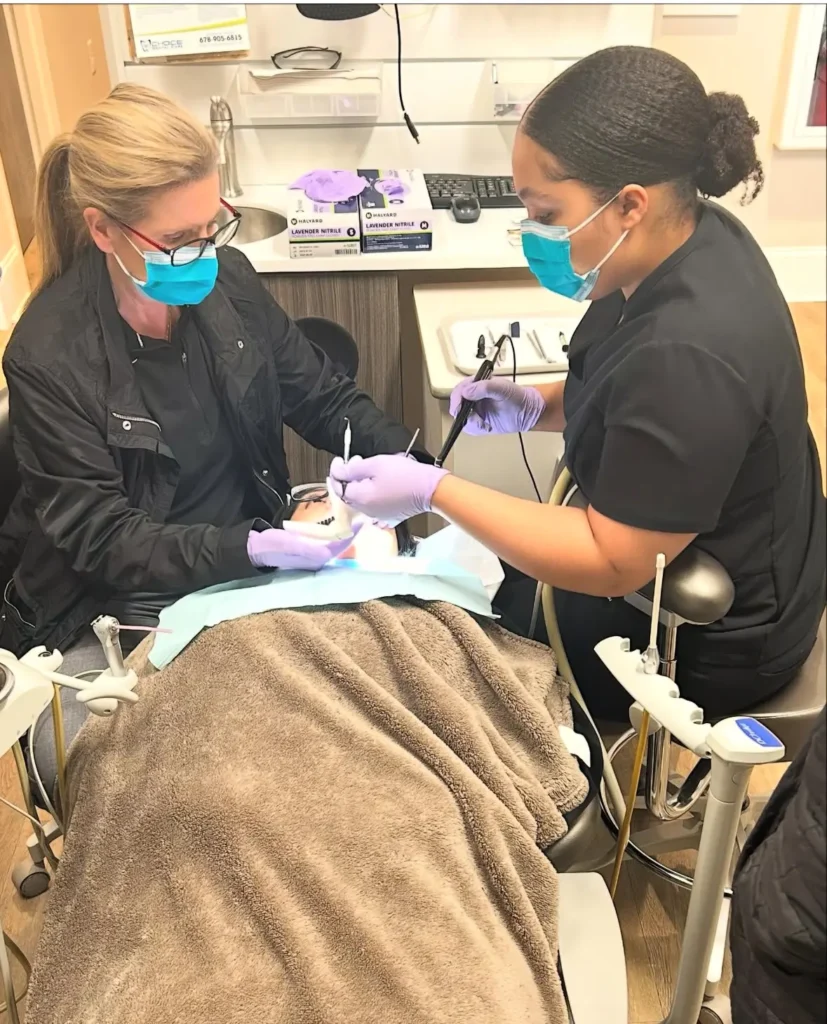
Dental assistant school focuses on both technical skills and professional readiness. Students learn how to support patient care while working as part of a dental team.
Common learning areas include:
- Infection control and OSHA standards
- Chairside assisting during exams and procedures
- Preventive dentistry concepts
- Pediatric dentistry fundamentals
- Exposure to orthodontics and endodontics
- Professional behavior in dental offices
Programs taught by experienced dental professionals often prepare students more effectively for real clinical expectations.
What is accreditation, and does it matter?
Accreditation means a program has been reviewed by an external organization, such as CODA. While some dental assistant programs are accredited, Georgia does not require CODA accreditation for employment.
Instead, Georgia dental assistant training must follow Georgia Board of Dentistry guidelines. This allows programs to focus on practical skills and real dental office experience rather than unnecessary academic requirements.
Understanding accreditation helps students choose training that aligns with where they plan to work.
What is X-ray certification for dental assistants?
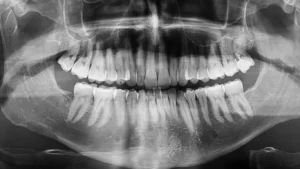
X-ray certification allows dental assistants to legally take dental radiographs under a dentist’s supervision. In Georgia, assistants must complete approved training in radiation health and safety to expose X-rays.
Radiography is a routine part of dental care, so most dental offices expect assistants to be trained before hiring.
Dental Assistant X-Ray Certification in Georgia
Completing X-ray training improves job readiness and allows assistants to take on more clinical responsibility.
Online vs in-person dental assistant school
Online dental assistant programs can be helpful for learning concepts, but hands-on training is essential. Dental assistants work directly with patients, instruments, and equipment every day.
Programs that include in-person clinical experience help students:
- Build confidence
- Learn real chairside flow
- Practice clinical techniques safely
- Transition more smoothly into dental offices
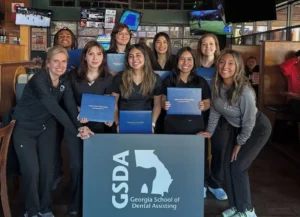
Some Georgia programs, like GSDA, use a hybrid model that combines online learning with hands-on clinical training.
Is dental assistant school worth it?
For many students, dental assistant school is worth it because it shortens the learning curve and improves confidence compared to learning only on the job. Structured training helps students feel prepared when entering dental offices.
Dental assisting also offers steady demand and multiple work settings, making it a practical entry point into healthcare.
Career readiness and advancement
Dental assistants work in a variety of settings, including:
- General dentistry
- Pediatric dentistry
- Orthodontics
- Preventive dental care
As assistants gain experience, some choose to pursue additional clinical responsibilities through expanded duties training.
What Is an Expanded Duties Dental Assistant in Georgia?
Others use dental assisting as a foundation for leadership roles or additional certifications.
Local context for Georgia students
For students in Woodstock, GA and north of Atlanta, dental offices often seek assistants who are comfortable working chairside and interacting with patients from day one. Georgia-focused training that reflects real dental office expectations aligns well with local hiring needs.
Programs that emphasize hands-on experience tend to prepare students more effectively for employment.
Final Thoughts
Dental assistant school provides a practical path into healthcare without years of college. Understanding how training works, what Georgia requires, and how programs differ helps students make informed decisions.
By choosing education that reflects real dental office workflows, students can prepare for dental assisting careers with clarity and confidence.
Sources & References
- American Dental Association (ADA) – Dental Assisting Overview
https://www.ada.org/resources/careers/dental-assisting - Georgia Board of Dentistry – Dental Assistant Rules and Guidelines
https://gbd.georgia.gov - U.S. Bureau of Labor Statistics (BLS) – Dental Assistants Occupational Outlook
https://www.bls.gov/ooh/healthcare/dental-assistants.htm - Commission on Dental Accreditation (CODA) – Dental Education Accreditation
https://coda.ada.org - Dental Assisting National Board (DANB) – Certification Information
https://www.danb.org